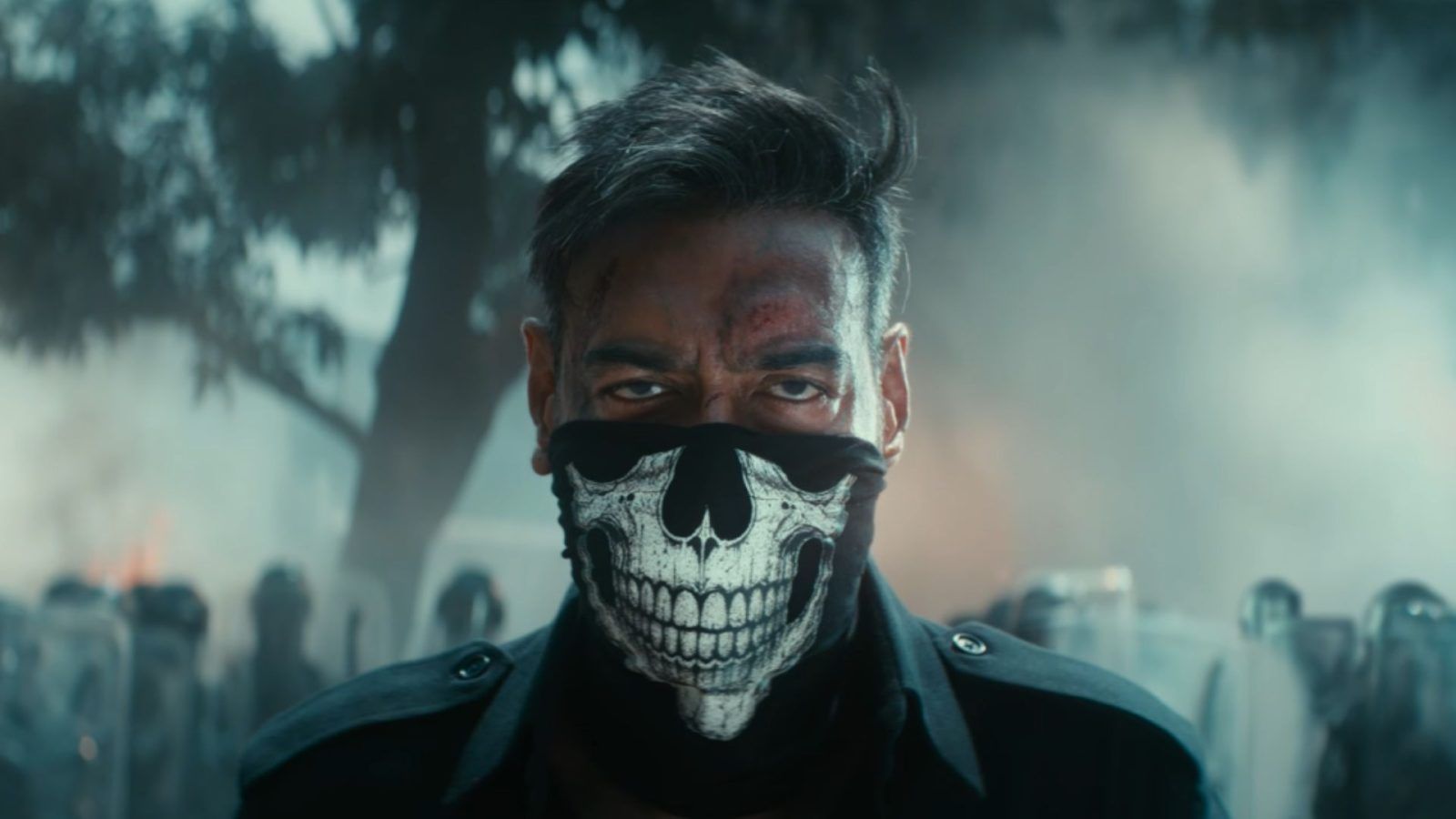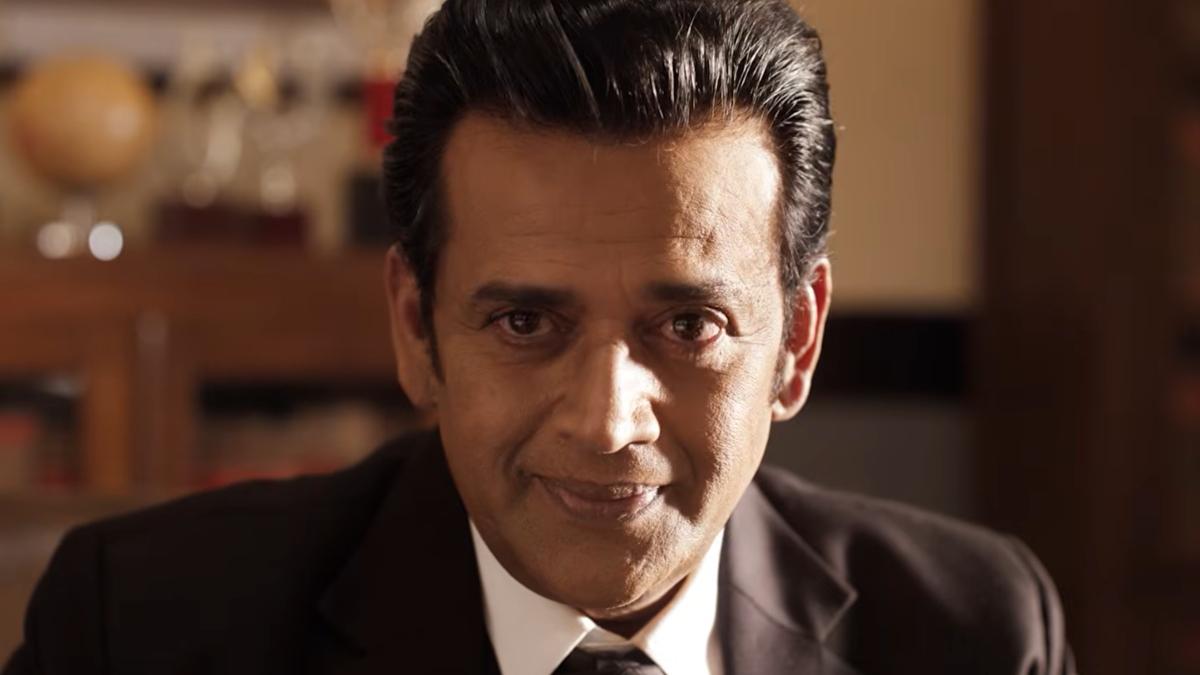


For years, Satluj existed as a film people had heard about but could not watch.
It was delayed, renamed and caught in a prolonged certification battle that kept it away from audiences despite being completed years ago. When it finally premiered on an OTT platform, many believed the wait was finally over.
It wasn’t.
Barely two days after its digital release, Satluj was removed from streaming in India, leaving viewers confused and reigniting a debate that has followed the film since its inception. The platform confirmed that the film would remain unavailable “until further notice” while it explored legal options to restore access.
The sudden disappearance has only added to the film’s already turbulent history.
Directed by Honey Trehan and starring Diljit Dosanjh, Satluj was originally announced under the title Punjab ’95. The film is based on the life of Jaswant Singh Khalra, the Punjabi human rights activist who exposed the illegal cremation of thousands of unidentified bodies during Punjab’s insurgency years. Khalra was later abducted and murdered, and several police officials were eventually convicted in connection with his death.
From the beginning, the film struggled to reach audiences.
It reportedly remained stuck in the certification process for years after the Central Board of Film Certification sought extensive changes, with the filmmakers claiming more than 120 cuts had been suggested. Those demands led to repeated delays and prevented the film from receiving a theatrical release in India.
Eventually, the makers chose a different path.
Instead of waiting indefinitely, they opted for an OTT release, hoping digital platforms would finally allow the story to reach viewers in its intended form. Director Honey Trehan later revealed that the release itself had been planned quietly, with only a handful of people aware that the film would suddenly appear online. Even Diljit Dosanjh was among the few informed in advance.
But that victory lasted only briefly.
Soon after its release, the film disappeared from the platform. While the streaming service has not publicly disclosed the exact reason behind the removal, it reaffirmed its support for the film and said it remained committed to bringing it back through the appropriate legal process.
For many observers, however, the incident raises questions that go far beyond one film.
The controversy around Satluj has become part of a broader conversation about artistic freedom in India. Filmmakers have increasingly argued that stories dealing with politically sensitive subjects often face prolonged scrutiny, delays or regulatory challenges before reaching audiences. Supporters of stronger regulation, on the other hand, contend that films based on contentious historical events should be handled carefully because of their potential social impact.
The debate is unlikely to end with Satluj.
In many ways, the film’s journey has become almost as significant as the story it tells. What was meant to be a biographical drama has evolved into a symbol of the ongoing tensions between creative expression, historical storytelling and institutional oversight.
Whether Satluj returns to streaming soon remains uncertain.
But its removal has ensured that the conversation surrounding the film is far from over. Sometimes, the most controversial part of a film is not what appears on screen, but how difficult it becomes for audiences to see it in the first place.